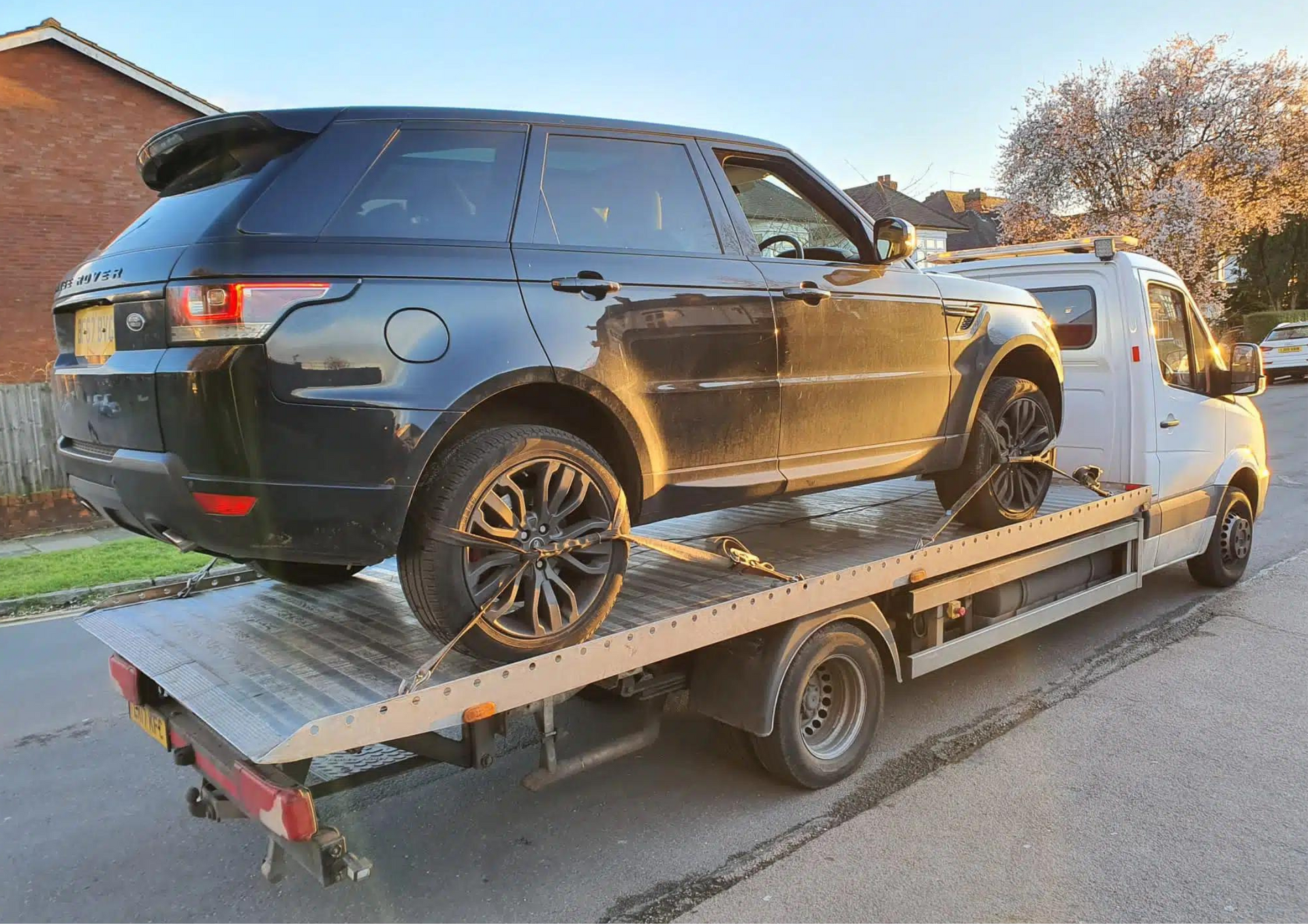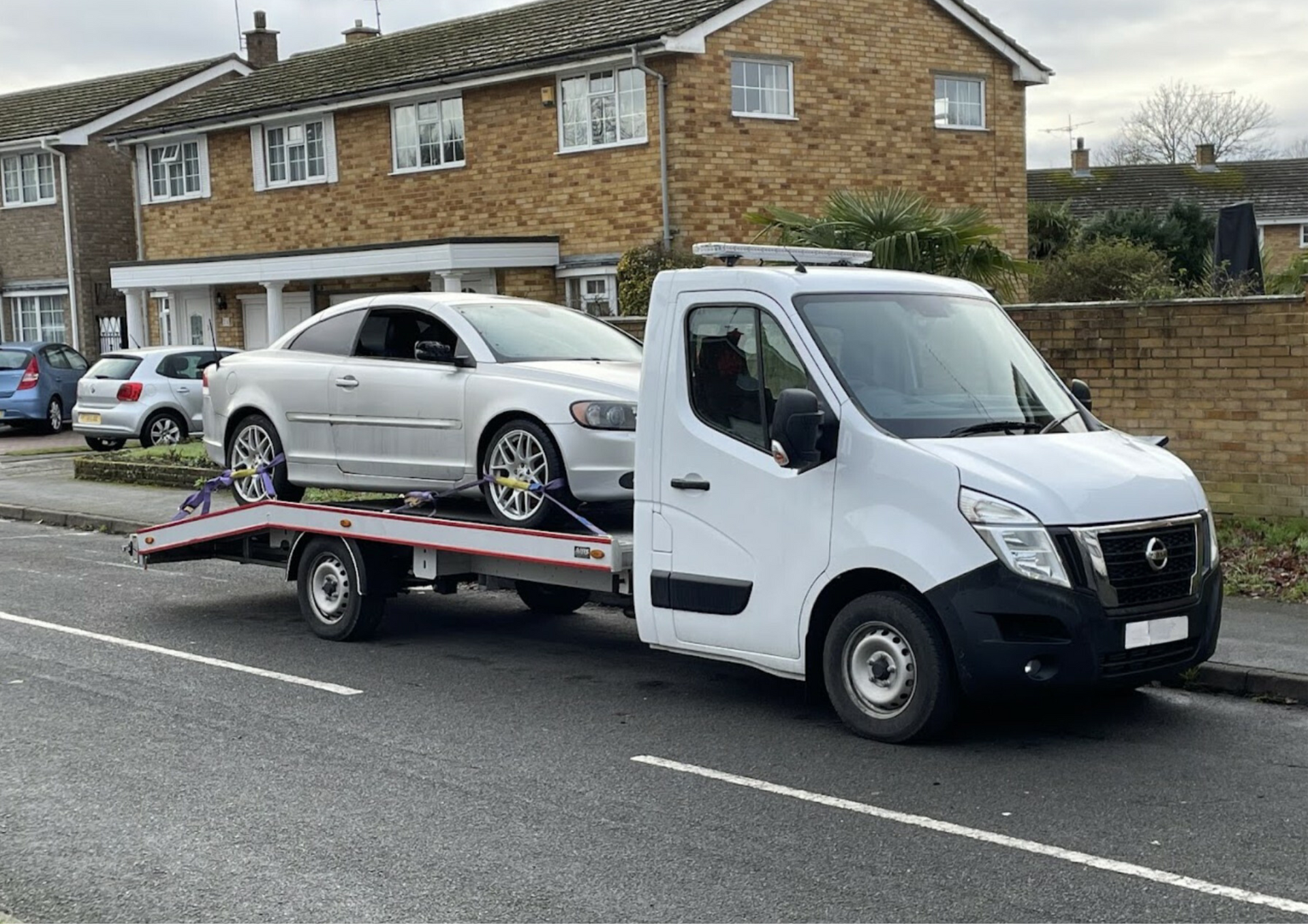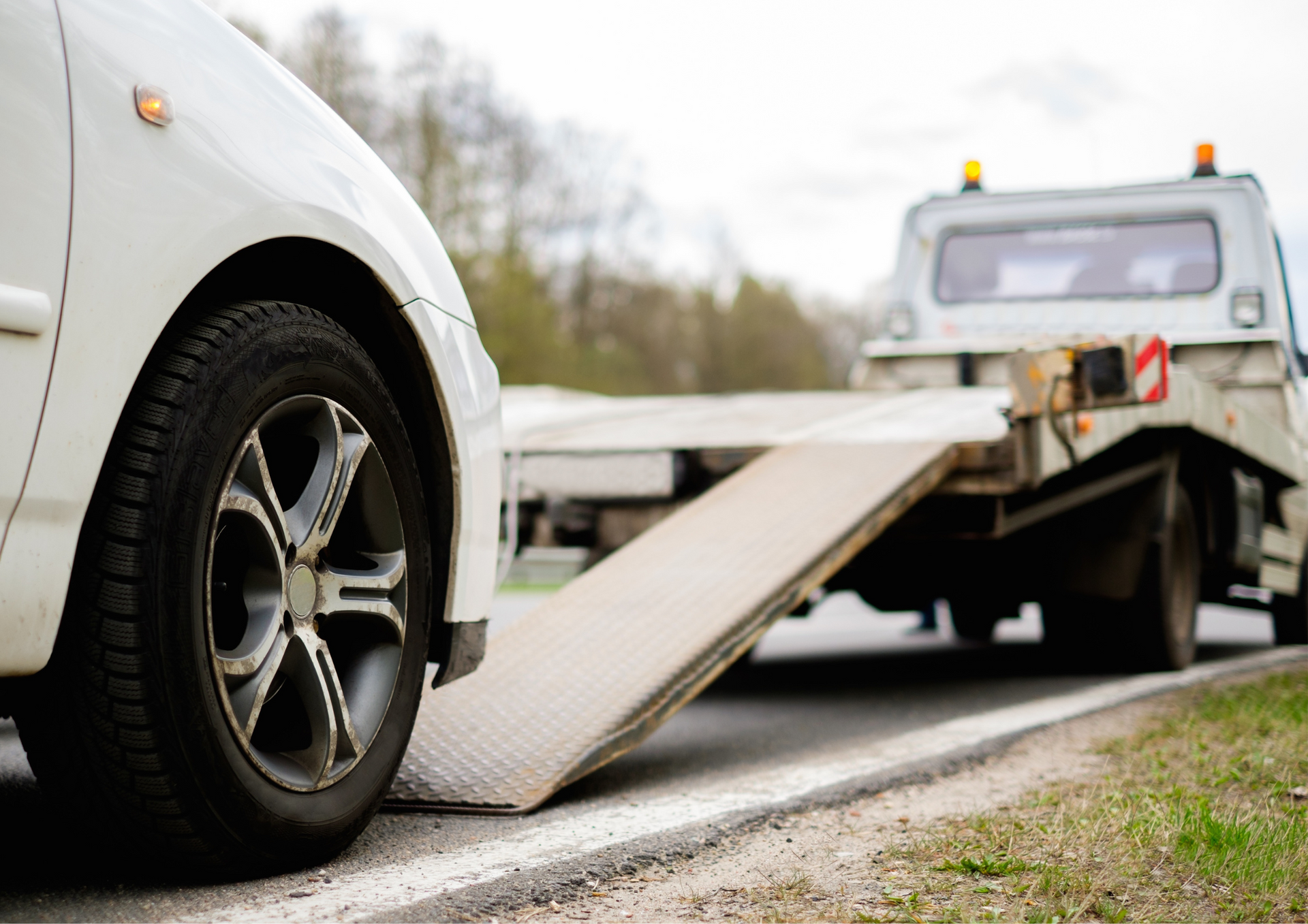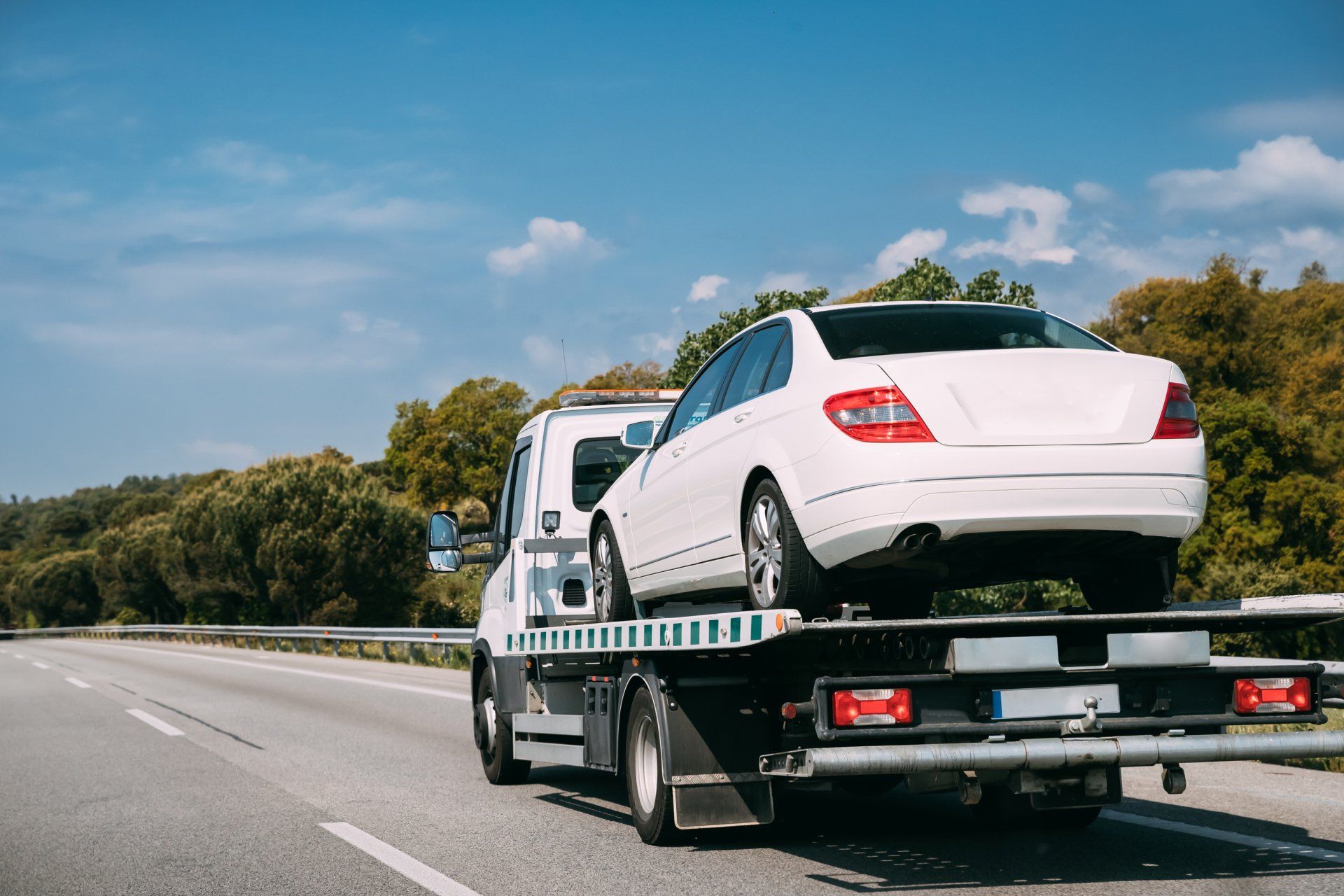
Towing Heavy Vehicles: Common Challenges and Expert Solutions
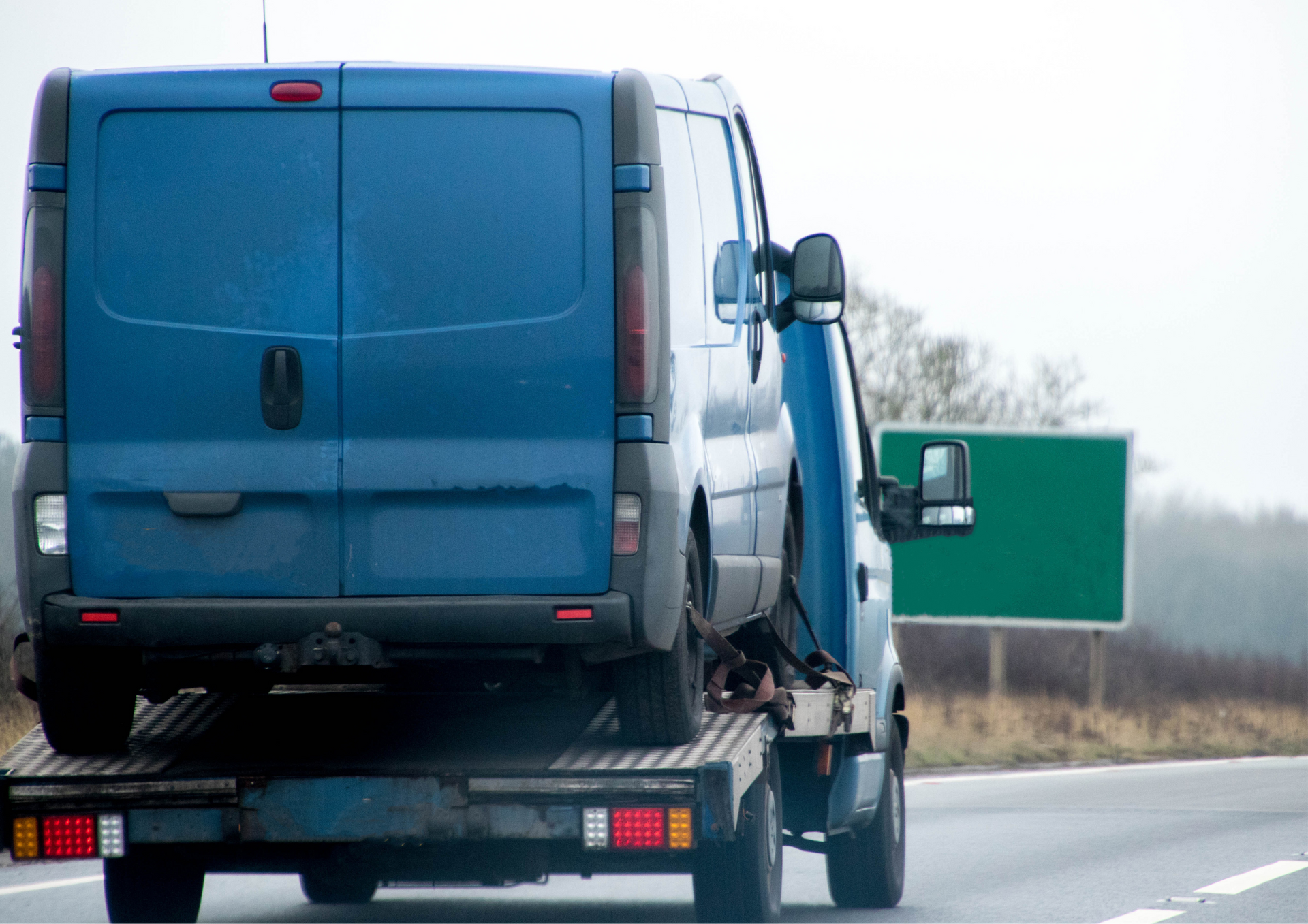
Heavy vehicles such as vans, buses, and lorries form the backbone of logistics, passenger transport, and commercial activities across the UK. However, when these large vehicles experience breakdowns or accidents, recovering them isn’t as simple as calling the nearest tow truck. Towing heavy vehicles demands specialist equipment, trained professionals, and detailed planning to ensure safety, legality, and efficiency.
This blog highlights key challenges in heavy vehicle recovery and solutions.
Understanding the Complexities of Heavy Vehicle Towing
Towing a heavy vehicle is a significantly more complex task than recovering a standard car. Whether it's a long-wheelbase van, a double-decker bus, or a lorry carrying cargo, each vehicle presents its own recovery difficulties due to its sheer size, weight, and shape.
Some of the most common reasons heavy vehicles require recovery include:
- Engine failure or mechanical breakdown
- Road traffic accidents
- Tyre blowouts on motorways
- Electrical faults or flat batteries
- Vehicle rollovers in poor weather conditions
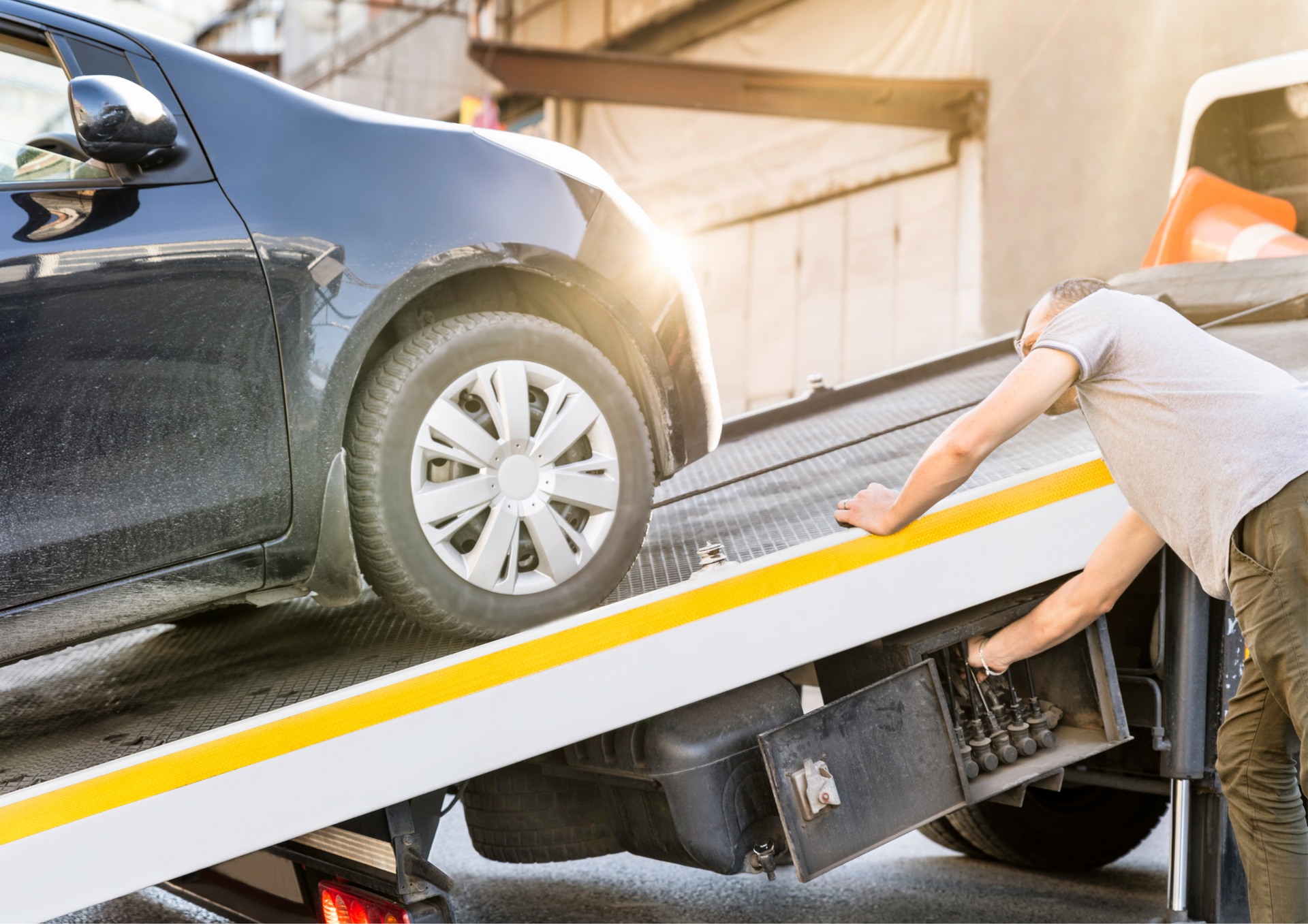
Unlike standard recovery jobs, these situations demand much more than just a basic tow rope or small recovery truck. A specialised towing vehicle with high-lift capability, reinforced winches, and a trained operator is essential.
Professional towing companies also conduct a full pre-recovery assessment. This involves understanding the type of vehicle, the incident scene, potential safety hazards, and how best to remove the vehicle without causing further damage or disruption to traffic. It’s a coordinated process, not a quick fix.
Key Challenges Faced in Towing Heavy Vehicles
While the basic principles of towing apply across all vehicle types, the complexity increases drastically with size and weight. One of the most immediate issues is the balance and stability of the vehicle being recovered. Uneven loads or poorly secured cargo can make towing dangerous or even impossible without first addressing load balance.
Traffic conditions also play a role. In congested towns or narrow country roads, accessing and recovering a large van or bus is particularly challenging. In these situations, operators often need to liaise with local police or traffic officers to temporarily close roads or redirect traffic to ensure a safe operation.
Weather is another factor. Wet, icy, or windy conditions make recovery operations even more dangerous, especially if the vehicle has come off-road or rolled into a ditch. Operators must be experienced not just in towing, but in risk assessment and site safety management.
Then there are legal and regulatory constraints. Operators must ensure the vehicle is towed in compliance with local laws, including weight restrictions, lighting requirements, and safe route planning to avoid low bridges or unsuitable roads. Failure to meet these legal requirements can lead to delays, penalties, or further risk.
The human element also can't be overlooked. Emotional or panicked drivers, busy roads, and high-pressure situations require patience, communication skills, and professional conduct from the towing team. That’s why many vehicle owners prioritise services known for their reliability and calm under pressure.
Modern Solutions and Equipment Used by Towing Services
Fortunately, modern towing service providers have access to specialised equipment and vehicles designed for complex heavy-duty recoveries. These include:
- Rotating boom tow trucks: Used for overturned vehicles or those stuck off-road.
- Underlift systems: Secure the axles and lift without causing damage to bumpers or chassis.
- Hydraulic winches: Provide precise control and high pulling power.
- Air cushion recovery systems: Used to safely right overturned buses or lorries without damaging the structure.
Most professional operators now also use GPS tracking and route planning tools. These help assess the safest and quickest route to the repair shop or customer-designated location, especially when navigating urban environments like Hatfield or rural backroads where space is limited.
Safety remains a priority in all recoveries. Teams follow strict procedures such as securing wheels, checking for fuel leaks, ensuring proper lighting on the vehicle being towed, and using support vehicles to manage traffic.
It’s also common for services to coordinate with local emergency responders if the incident is complex or if the vehicle is obstructing the road. These partnerships help create a smoother, safer recovery process and ensure traffic is kept moving where possible.
For bus and coach operators, time off the road can mean cancelled routes and unhappy passengers. For van drivers, delays mean missed deliveries and potential financial loss. Fast, safe, and efficient towing solutions are critical — and the best operators understand the urgency.
How to Respond When You Need Heavy Vehicle Towing
If you operate or drive a heavy vehicle, it’s important to know what to do in the event of a breakdown or accident. First, prioritise safety. Move the vehicle off the road if possible, turn on hazard lights, and place warning triangles behind the vehicle to alert other motorists. Ensure all passengers exit safely and wait away from traffic, especially on motorways or fast roads.
Next, call a professional tow truck near me using your mobile device. Many services offer 24/7 assistance, and modern companies are equipped to handle even the most difficult recoveries quickly.
Avoid attempting to move or fix the issue yourself — especially with a heavy vehicle. The size, weight, and complexity make DIY solutions dangerous.
It’s important to understand that a service isn’t the same as road side assistance. Towing involves moving the vehicle to a location of your choice — not performing on-site repairs or unlocking your vehicle. If repairs or additional services are needed, your vehicle will be towed to a garage or facility equipped to handle those needs.
When calling for help, be ready to provide:
- Your location
- Vehicle type and size
- Reason for towing (accident, breakdown, etc.)
- Any obstructions or safety issues
Towing heavy vehicles is a task that requires a professional approach, advanced equipment, and a deep understanding of safety and legal requirements. From the moment your van, bus, or truck breaks down to the point it’s delivered to a repair centre, every step must be handled with care.
The challenges involved — from weight balancing to route planning — show why it’s vital to rely on specialists with proven experience in heavy-duty recoveries. For motorists, understanding these challenges can help reduce panic during emergencies and lead to quicker resolutions.
Whether you’re a daily commuter in a minibus or operate a fleet of delivery vans, having a trusted towing provider on hand gives peace of mind when the unexpected happens.
When it comes to towing in Hatfield and surrounding areas,
Swift Car Recovery Hatfield stands out for its reliability, speed, and professionalism. We specialise in the safe recovery of heavy vehicles — from vans to buses — using state-of-the-art
tow trucks
and equipment.
Our team is trained to handle high-pressure situations with calm, clear communication. We ensure your vehicle is transported safely to a location of your choice, without delay. We're available 24/7 and ready to respond quickly wherever you are in Hatfield or nearby towns.
Update on X: Heavy vehicle
towing explained – challenges and solutions you should know!